What Can Moxa Support? Traditional Uses, Potential Benefits, and How It Is Used
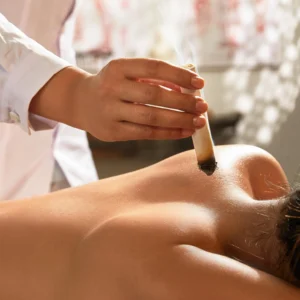
Moxa has been used in Traditional Chinese Medicine (TCM) for centuries as part of moxibustion, a traditional wellness practice that uses the gentle heat produced by burning dried mugwort. Today, many people are interested in moxa as part of a traditional wellness routine, especially when they want to explore practices centered around warmth, relaxation, and overall well-being.
So, what can moxa support?
Traditional practitioners use moxibustion in different ways and often select specific acupoints or areas of the body according to individual needs. Traditional use commonly focuses on warming the body, supporting circulation from a TCM perspective, promoting relaxation, and supporting digestive comfort and everyday well-being.
Modern research has also explored moxibustion in areas such as pain and other health conditions.
In this guide, we will explain what moxa is, what moxibustion traditionally supports, how people use it, and how to approach moxa safely.
What Is Moxa?
Moxa is a traditional material made from dried mugwort, usually from plants in the Artemisia genus. Practitioners process dried mugwort into a soft material called moxa wool, which they can then shape into different forms for moxibustion.
Common forms include:
- Moxa sticks
- Moxa cones
- Moxa wool
- Other specially prepared moxa products
During moxibustion, practitioners heat or burn moxa near selected acupoints or areas of the body. The resulting warmth provides the main sensory experience of the practice.
What Can Moxa Support?
People use moxibustion for different traditional wellness purposes. The exact approach depends on the form of moxa, the technique, the area of application, and the principles of Traditional Chinese Medicine.
Here are several benefits that commonly appear in traditional moxibustion practice.
1. Relaxation and Everyday Well-Being
Warmth can play an important role in a relaxing wellness routine.
Moxibustion provides a localized warming sensation, and some people enjoy it as a quiet, relaxing practice. The process can become part of a regular self-care routine, particularly when someone wants to slow down and focus on gentle warmth.
Rather than viewing moxibustion as a quick solution for a specific condition, many people approach it as one part of a broader wellness routine.
2. Digestive Comfort
Traditional Chinese Medicine has long associated moxibustion with digestive health and abdominal warmth.
Practitioners may traditionally use moxa around selected acupoints when supporting digestive comfort. In TCM theory, warming practices can help address patterns associated with cold and support the normal function of the digestive system.
Some people therefore include moxibustion in their wellness routines when they experience occasional digestive discomfort or simply prefer warming practices.
However, persistent digestive symptoms require proper medical evaluation. Moxibustion should not replace diagnosis or treatment from a qualified healthcare professional.
3. Warmth and Circulation
One of the most recognizable characteristics of moxibustion is its warmth.
Traditional Chinese Medicine describes moxibustion as a warming practice that can support the movement of qi and blood and help address patterns associated with cold. These concepts belong to the traditional TCM framework and do not directly correspond to established biomedical mechanisms.
From a practical perspective, moxibustion creates noticeable local heat. Many people enjoy this warming sensation, especially when they want a traditional practice that focuses on comfort and warmth.
4. Everyday Fatigue and Low Energy
People often include warming practices in their daily wellness routines when they feel tired after a long day.
Traditional moxibustion has associations with supporting vitality and maintaining balance within the traditional TCM framework. Some practitioners also incorporate moxa into wellness routines designed around relaxation, warmth, and general energy.
5. Sleep and Evening Relaxation
A relaxing evening routine can help create a comfortable transition from daytime activities to bedtime.
Some people use moxibustion as part of an evening wellness routine because of its gentle warmth and relaxing nature. The practice can provide a quiet period away from screens, work, and other daily distractions.
6. Muscle and Joint Comfort
Moxibustion has also attracted research interest in relation to pain and joint conditions.
For example, systematic reviews have examined moxibustion for chronic low back pain and knee osteoarthritis. Some reviews report potential benefits, but researchers also point to limitations such as small sample sizes, methodological concerns, and differences between studies.
How Does Moxibustion Work?
There are two useful ways to understand moxibustion: the traditional TCM perspective and the modern research perspective.
The Traditional TCM Perspective
Traditional Chinese Medicine views the body through concepts such as qi, blood, meridians, yin and yang, and patterns of imbalance.
Within this framework, moxibustion provides warmth and traditionally supports the movement of qi and blood. Practitioners may select different acupuncture points depending on the individual’s traditional TCM pattern and wellness goals.
These concepts form part of the traditional TCM system.
The Role of Heat
From a practical perspective, heat remains central to moxibustion.
Burning moxa produces warmth that practitioners apply near specific acupuncture points or body areas. Different techniques can create different levels of heat and different experiences.
The practitioner needs to control the distance, duration, and intensity carefully. Excessive heat can cause discomfort or burns, so proper technique matters.
What Does Modern Research Say?
Researchers have studied moxibustion for a range of conditions, including chronic low back pain, knee osteoarthritis, and other health concerns.
Some systematic reviews report encouraging results. At the same time, several reviews emphasize limitations in the available evidence, including small study populations, inconsistent methods, and risk of bias. For chronic low back pain, for example, one systematic review concluded that the available evidence was too limited to draw firm conclusions.
More recent research continues to explore the potential role of moxibustion. A 2025 systematic review of knee osteoarthritis studies included 43 studies and 4,008 participants, but the authors still called for higher-quality evidence.
Therefore, a balanced description is more appropriate:
Moxibustion has a long history of traditional use, and modern research continues to investigate its potential benefits. The strength of evidence varies depending on the specific health concern.
How Is Moxa Traditionally Used?
Moxa comes in several forms, and practitioners can use different techniques depending on their training and the purpose of the practice.
Moxa Sticks
Moxa sticks, sometimes called moxa rolls, contain compressed moxa that practitioners burn and hold near selected areas of the body.
The practitioner controls the distance between the burning moxa and the skin to create a comfortable level of warmth.
Moxa sticks remain one of the most recognizable forms of moxibustion and are widely associated with traditional moxa practice.
Moxa Cones
Moxa cones are small pieces of moxa formed into a cone shape.
Practitioners may place them on or above selected acupuncture points depending on the technique. Different forms of direct and indirect moxibustion use different approaches, so beginners should learn the technique from a qualified practitioner before attempting unfamiliar methods.
Moxa Wool
Moxa wool, also known as moxa floss, comes from processed dried mugwort.
Practitioners can use moxa wool to make cones, sticks, and other traditional moxa preparations. The quality of the raw material and the processing method can influence the texture, appearance, aroma, and burning characteristics of the finished product.
Moxibustion and Acupuncture Points
Traditional moxibustion often focuses on specific acupuncture points.
Commonly discussed points include:
- Zusanli (ST36)
- Guanyuan (CV4)
- Zhongwan (CV12)
- Shangwan (CV13)
- Xiawan (CV10)
The selection of acupuncture points depends on the traditional approach and the individual’s needs. Beginners should learn proper point location and technique before using moxa around specific points.
Who May Include Moxibustion in a Wellness Routine?
People interested in traditional wellness practices may explore moxibustion for different reasons.
For example, some people may be interested in:
- Relaxation and warmth
- Traditional TCM wellness practices
- Digestive comfort
- Everyday fatigue and low energy
- Evening relaxation
- General muscle and joint comfort
- Learning about traditional Chinese health practices
However, personal circumstances matter.
Pregnant people, children, older adults, and people with certain health conditions should seek appropriate professional guidance before using burning moxa. Anyone with reduced heat sensation or difficulty responding quickly to heat should take particular care because burns can occur without immediate warning.
Avoid Excessive Heat
Moxa should provide a manageable level of warmth rather than intense heat.
Do not continue if the heat becomes painful or uncomfortable. Never assume that stronger heat produces better results.
Protect the Skin
Burning moxa can cause burns and other skin reactions.
Research reviews have reported adverse events such as burns, allergic reactions, infections, and discomfort related to smoke.
For this reason, users should pay close attention to the skin and stop the practice if they notice excessive heat, pain, blistering, or an unusual reaction.
Never Leave Burning Moxa Unattended
Moxa is a burning material, so fire safety matters.
Keep burning moxa away from flammable materials and make sure it has been completely extinguished after use.
Know When to Seek Professional Guidance
If you have a medical condition, take medication, are pregnant, or have concerns about whether moxibustion suits you, consult an appropriately qualified healthcare professional or trained practitioner before using it.
Moxibustion should complement appropriate healthcare rather than replace necessary medical diagnosis or treatment.
Final Thoughts
Moxa has a long history within Traditional Chinese Medicine, and moxibustion remains an important traditional practice centered around warmth and the use of mugwort-based moxa.
So, what can moxa support?
For many people, the answer begins with warmth, relaxation, traditional wellness, and everyday comfort. Traditional practitioners may use moxibustion for broader wellness purposes, while modern researchers continue to investigate its potential applications in specific health conditions.
If you want to explore moxibustion, start with high-quality moxa, learn the appropriate techniques, pay attention to heat and ventilation, and choose an approach that fits your personal circumstances.
Moxa is more than a traditional material. It represents a long-standing wellness practice that connects traditional Chinese health culture with the simple experience of warmth and relaxation.
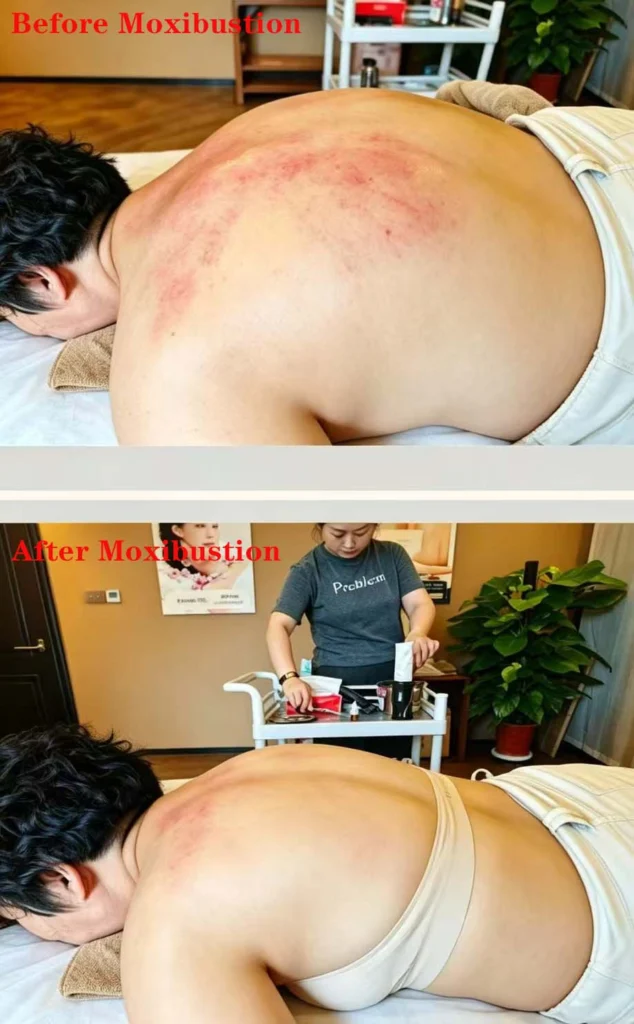 Case Study: Moxibustion for Headaches, Insomnia, Anxiety, and Neck Discomfort
Share This Article, Choose Your Platform!
Related News
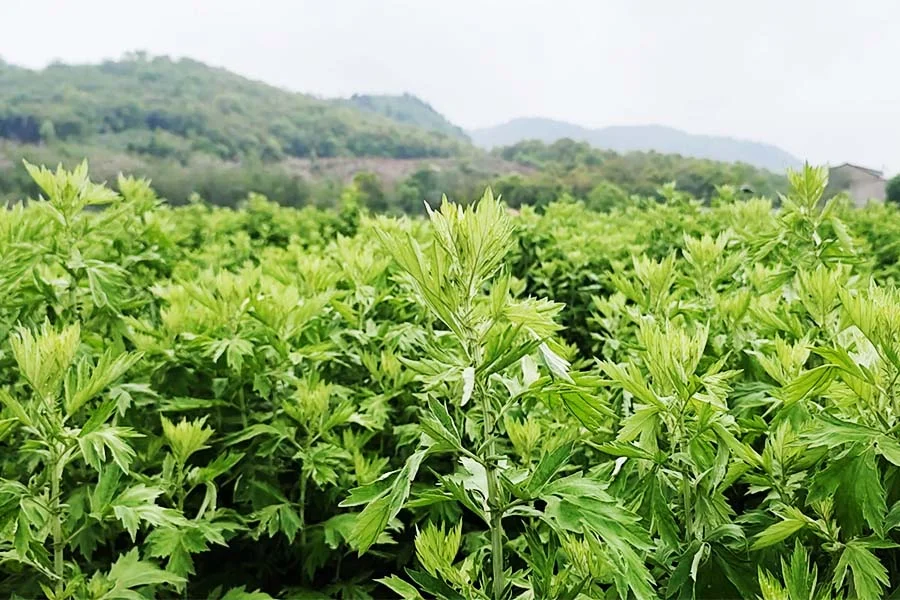
Moxibustion is a traditional Chinese medicine wellness practice that involves burning moxa floss, moxa sticks, or moxa cones made from mugwort leaves. The heat generated during the process stimulates specific acupuncture points or areas of the body. According to traditional Chinese medicine, moxibustion may help warm the meridians and dispel cold, promote the flow of [...]
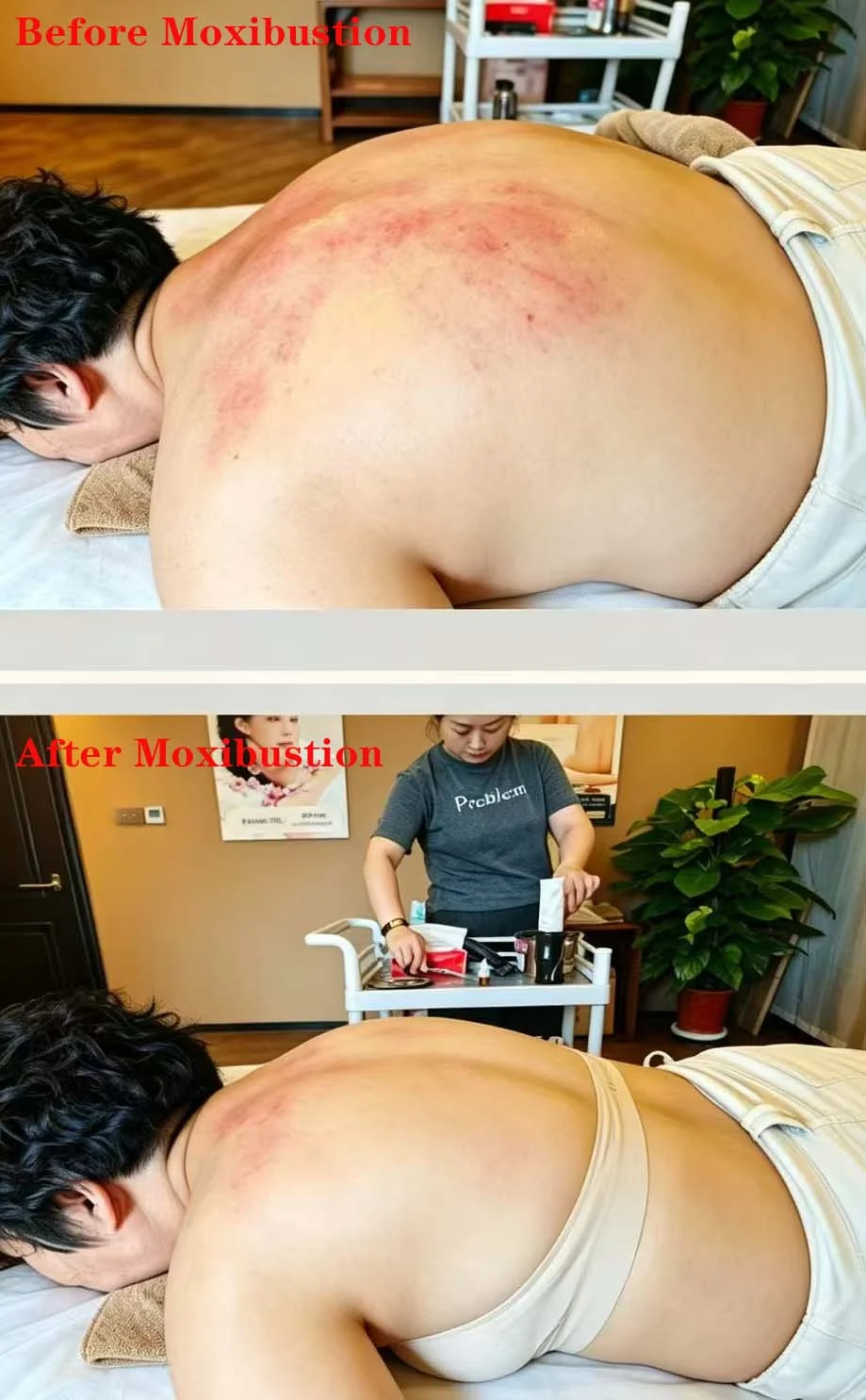
Client Profile The client was a 73-year-old woman who had experienced headaches, insomnia, anxiety, and neck discomfort for approximately four years,a noticeable prominence was observed in the upper back area. She had visited several hospitals and local clinics, but her symptoms had not improved significantly. Moxibustion Areas Moxibustion was applied to the upper back, shoulders, [...]
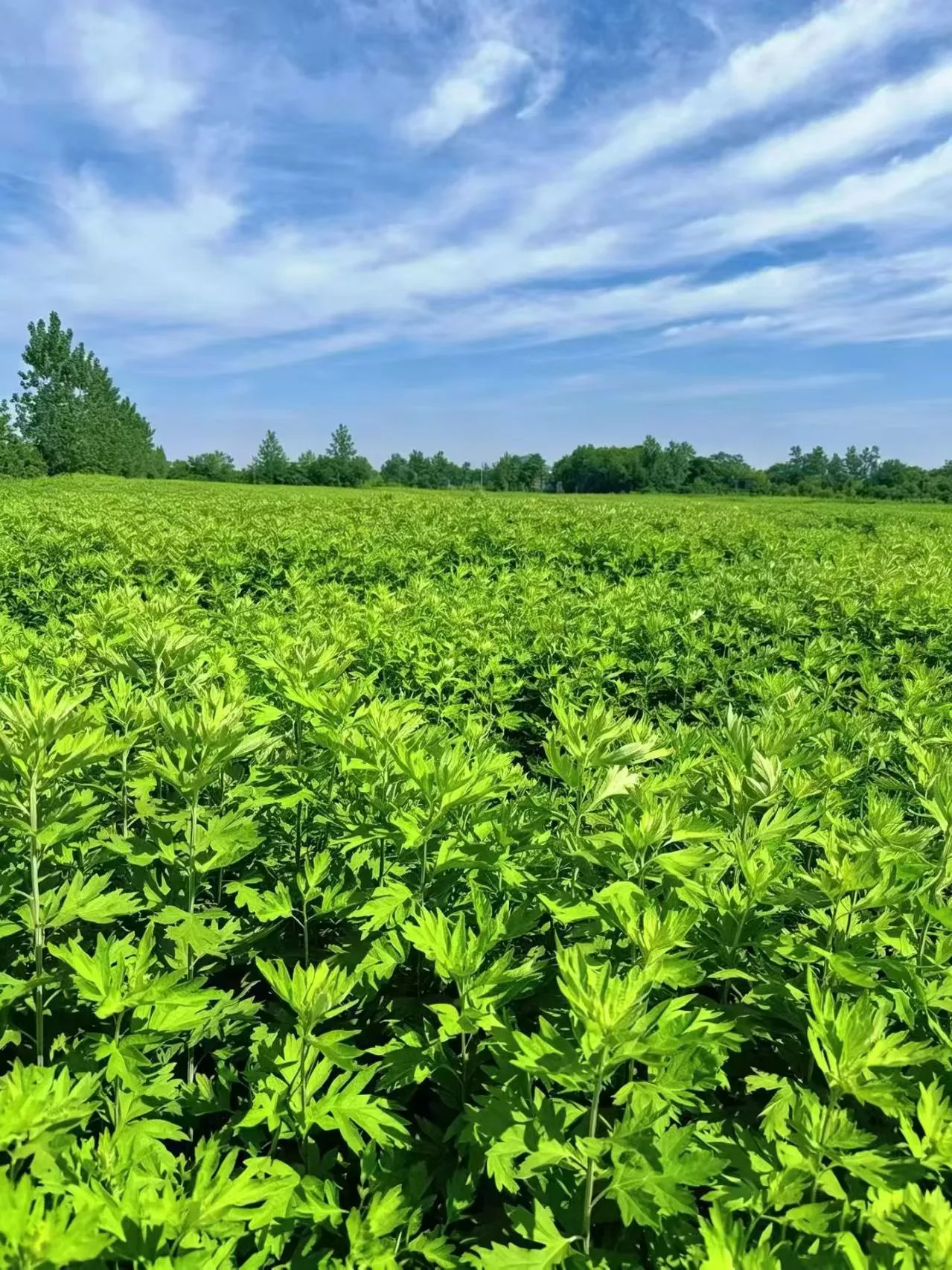
Qi Ai (蕲艾) — mugwort cultivated in Qichun County, Hubei Province, China — is not merely another variety of Artemisia argyi. It is the only moxa variety explicitly named and endorsed in classical Chinese pharmacopoeia, and its superiority is now validated by an extensive body of modern laboratory research. Across 10 peer-reviewed studies published in Chinese medical journals indexed [...]