
Qi Ai: Why Qichun Moxa Is the Superior Choice — A Science-Backed Moxa Sticks Buying Guide
Qi Ai (蕲艾) — mugwort cultivated in Qichun County, Hubei Province, China — is not merely another variety of Artemisia argyi. It is the only moxa variety explicitly named and endorsed in classical Chinese pharmacopoeia, and its superiority is now validated by an extensive body of modern laboratory research. Across 10 peer-reviewed studies published in Chinese medical journals indexed by the China Association of Chinese Medicine, Qichun moxa consistently outperforms ordinary mugwort from other growing regions in every measurable parameter: volatile oil concentration, total flavonoid content, combustion heat value, and trace mineral profile. This moxa sticks buying guide presents the complete scientific evidence — with full academic citations — to help practitioners, clinic buyers, and wellness enthusiasts build informed self-care routines by choosing Qichun 3-years aged moxa sticks, Qichun Thunder Fire Moxibustion Cannon, Qichun moxibustion patches, and pure moxa sticks for ceramic moxibustion.
🔬 At a Glance: Qichun Moxa vs. Ordinary Mugwort
- Volatile oil: 1.06%–1.33% (Qichun) vs. 0.54% (average) — up to 2.46× higher
- Peak volatile oil (Dragon Boat Festival harvest): 2.18%–2.19%
- Combustion heat: 18,139 J/g (Qichun) vs. 16,136–17,419 J/g (other regions)
- Total flavonoids: up to 14.67% — highest recorded among all Chinese mugwort origins
- Unique markers: Thujone 15.6%, Isothujone 2.7% — virtually absent in ordinary mugwort
- All data sourced from: 10 peer-reviewed studies, 8 research institutions, 2 classical texts
1. The Geographic Secret Behind Qichun Moxa Superiority
Latitude 30°N: Where Premium Mugwort Thrives
Qichun County sits at 30° North latitude, a parallel that hosts some of the world’s most fertile agricultural zones. Ancient records trace Qichun mugwort cultivation to the Nanyang basin, where the subtropical monsoon climate delivers precisely the humidity, temperature, and sunshine duration that Artemisia argyi requires for optimal secondary metabolite accumulation. Plants grown here reach greater height, develop thicker leaves, and synthesize higher concentrations of bioactive compounds — a pattern consistently observed in comparative botanical surveys across multiple Chinese mugwort-producing regions.
Selenium-Rich Soil: A Distinct Mineral Fingerprint
The soil of Qichun County is naturally selenium-enriched, a geological characteristic that sets it apart from mugwort-growing areas in Hebei, Sichuan, and other Chinese provinces. This selenium-rich substrate, combined with elevated bioavailability of calcium (Ca), magnesium (Mg), and manganese (Mn), creates a mineral profile that Guangzhou University of Chinese Medicine researcher Mei Quanxi and colleagues documented as significantly higher than mugwort from non-Qichun origins[6]. These trace minerals are understood in traditional Chinese medical theory as the material foundation for moxa’s wen tong jing luo (warming and unblocking meridian) effect.
2. Chemical Superiority: Volatile Oil, Flavonoids, and Trace Elements
Volatile Oil Content — The Core Quality Indicator
Volatile oil concentration is the most critical single metric for moxa quality. It directly determines the aromatic intensity, therapeutic breadth, and skin-penetration characteristics of moxibustion. Comparative testing published in the International Journal of Laboratory Medicine (2020) by Xu Donghong, Cao Yili, and Zhang Yan established the following benchmark data[1]:
| Origin | Volatile Oil (%) | vs. Qichun |
| Qichun, Hubei (standard) | 1.06% – 1.33% | — (benchmark) |
| Qichun, Hubei (Dragon Boat Festival, top-grade) | 2.18% – 2.19% | — (premium peak) |
| Average of other regions | 0.54% | Only 40.6% – 50.9% of Qichun |
The Qichun advantage is not merely quantitative. Specialized detection by the South China Botanical Garden, Chinese Academy of Sciences (2020) identified signature compounds unique to Qichun mugwort[3]:
| Compound | Qichun Moxa (%) | Ordinary Mugwort | Significance |
| Thujone (侧柏酮) | 15.6% | Near zero | Primary bioactive marker; distinguishing chemical fingerprint of Qi Ai |
| Isothujone (异侧柏酮) | 2.7% | Near zero | Unique to Qichun; not detected in ordinary mugwort |
| Eucalyptol / 1,8-Cineole (桉油精) | 8.67% – 13.07% | Trace only | Key volatile responsible for deep tissue penetration |
| Borneol (龙脑) | 2.63% – 5.94% | Minimal | Enhances transdermal absorption of active compounds |
Total Flavonoid Content — Antioxidant and Antimicrobial Power
A dedicated study led by Mei Quanxi at Guangzhou University of Chinese Medicine (2020) measured the total flavonoid content across mugwort samples from every major Chinese production region[4]. Qichun mugwort recorded the highest value at 14.67% total flavonoids, substantially exceeding the average of non-Qichun mugwort. The same study further confirmed that 3-year aged Qichun moxa retains a higher flavonoid retention ratio than fresh mugwort, with demonstrably stronger antioxidant and bacteriostatic activity — a finding with direct implications for moxibustion’s role in supporting the body’s natural self-repair processes.
Trace Elements — Calcium, Magnesium, Manganese, and Selenium
The mineral element analysis by Mei Quanxi’s team (2021) demonstrated that Qichun mugwort grown in selenium-rich soil at latitude 30°N contains significantly higher concentrations of Ca, Mg, and Mn compared to mugwort from Hebei, Sichuan, and other provinces[6]. This distinctive mineral fingerprint is considered the material basis for Qi Ai’s superior wen tong (warming and unblocking) properties in traditional practice.
3. Combustion Performance: Why Qichun Moxa Delivers Deeper Heat Penetration
The therapeutic effect of moxibustion depends fundamentally on the quality of heat delivered to acupoints and meridian pathways. A landmark multi-origin comparative experiment conducted jointly by the Institute of Chinese Materia Medica, China Academy of Chinese Medical Sciences and the Li Shizhen Institute of Science, Technology, and Culture (2021) measured the combustion heat value of mugwort from three major production regions[5]:
| Origin | Combustion Heat (J/g) | Relative to Qichun |
| Qichun, Hubei | 18,139 J/g | 100% (benchmark) |
| Anguo, Hebei | 17,419.3 J/g | 96.0% |
| Ziyang, Sichuan | 16,136.4 J/g | 88.9% |
Qichun moxa releases approximately 12% more thermal energy than Sichuan mugwort and nearly 20% more than the lowest-performing regional samples. This measurable difference in heat output validates a famous passage from classical literature: “Moxibustion with ordinary mugwort cannot penetrate a wine jar; Qi Ai penetrates it directly and thoroughly.” The deeper and more sustained heat penetration of Qichun moxa translates directly to more effective moxibustion sessions — whether applied via direct stick moxibustion, Thunder Fire Cannon, or ceramic moxibustion vessels.
4. The Science of Harvest Timing and Aging: Why 3-Year Aged Qichun Moxa Matters
Dragon Boat Festival Harvest: The Proven Optimal Window
A production-quality comparison study published in the journal Modern Chinese Medicine Research and Practice (2020, a journal supervised by the China Association of Chinese Medicine) by the Hubei University of Chinese Medicine team tracked volatile oil and flavonoid concentrations across the entire mugwort growing season[7]. The findings were unequivocal: all measured bioactive components reach their maximum concentration around the Dragon Boat Festival (fifth day of the fifth lunar month, typically late May to mid-June). Volatile oil peaks at 1.33% in mid-June and declines steadily thereafter. This is why premium Qichun 3-years aged moxa sticks are produced exclusively from Dragon Boat Festival first-harvest mugwort.
Three-Year Aging: Concentration Without Irritation
Fresh mugwort contains volatile irritants that diminish during controlled aging. The Hubei University of Chinese Medicine study, corroborated by the broader Qichun moxa quality database maintained by the China Association of Chinese Medicine[2], confirms that three years of aging under controlled conditions reduces irritant volatile fractions while concentrating therapeutically desirable compounds. The result: 3-year aged Qichun moxa delivers stronger bioactive effects with less respiratory irritation — the optimal balance for both practitioner and client comfort and relaxation alike. This is the foundation of our Qichun 3-years aged moxa sticks product line, which uses exclusively Dragon Boat Festival-harvested, three-year-cellared mugwort.
5. Antimicrobial and Antioxidant Properties: Evidence from Laboratory Studies
A 2022 experimental study by the Institute of Botany, Chinese Academy of Sciences evaluated the essential oil of Qichun mugwort for antimicrobial activity and antioxidant capacity[8]. Key findings included:
- Significant inhibitory effects against Staphylococcus aureus (gram-positive), Escherichia coli (gram-negative), and Candida albicans (fungal) — three common pathogens relevant to skin and mucosal wellness
- Elevation of antioxidant enzyme activity in experimental models, correlated with a 13%–21% extension of organism lifespan in the model system
- Optimized extraction protocols that preserve the full spectrum of Qichun mugwort’s bioactive constituents
These laboratory findings provide a modern mechanistic understanding of the traditional observation that Qichun moxa supports skin comfort and overall vitality during regular moxibustion practice. They are particularly relevant when selecting Qichun moxibustion patches, where sustained skin contact demands the highest-quality, lowest-irritant moxa material.
6. Historical Authority: What Ancient Texts Say About Qi Ai
The scientific data above confirms what Chinese medical scholars have documented for over 400 years. Two Ming Dynasty texts provide the canonical foundation for Qi Ai’s reputation:
— Li Shizhen, Compendium of Materia Medica (Bencao Gangmu), Ming Dynasty, 1578[9]
— Li Yanwen (father of Li Shizhen), Treatise on Qichun Mugwort (Qi Ai Zhuan), Ming Dynasty[10]
Li Shizhen himself — history’s most celebrated Chinese pharmacologist — singled out Qichun mugwort as the gold standard among all mugwort varieties. His father Li Yanwen authored an entire monograph dedicated to Qi Ai, specifying the optimal harvest time (Dragon Boat Festival) that modern laboratory analysis has now scientifically validated.
7. Product Selection Guide: Matching Qichun Products to Your Practice
The scientific evidence points unequivocally to Qichun-sourced mugwort as the optimal material for moxibustion. The following guide maps our product range to specific wellness applications:
🌿 Qichun 3-Years Aged Moxa Sticks
Material: Dragon Boat Festival first-harvest Qi Ai, three-year cellar-aged. Volatile oil: 1.06%–1.33%, with irritant fractions naturally reduced through controlled aging. Best for: Daily moxibustion practice, clinic use, and practitioners who prioritize consistent heat output with minimal smoke irritation. The three-year aging process documented by Hubei University of Chinese Medicine[7] ensures optimal bioactive retention with reduced volatile irritants.
🔥 Qichun Thunder Fire Moxibustion Cannon
Material: High-density compressed Qi Ai with 18,139 J/g combustion heat backed by China Academy of Chinese Medical Sciences testing[5]. Best for: Deep-tissue moxibustion protocols requiring sustained high thermal output, large-area warming, and intensive meridian-focused sessions. The Thunder Fire Cannon format concentrates Qichun moxa’s superior combustion energy into a tool designed for practitioners who need maximum heat penetration.
🩹 Qichun Moxibustion Patches
Material: Qi Ai extract integrated into adhesive patch format, leveraging the antimicrobial properties validated by the Chinese Academy of Sciences Institute of Botany[8]. Best for: Convenient, sustained low-heat moxibustion for targeted acupoints. The patch format is ideal for clients who want the benefits of Qichun moxa in a self-administered, time-efficient format suitable for home use between clinic visits.
🏺 Pure Moxa Sticks for Ceramic Moxibustion
Material: Premium-grade Qi Ai with high eucalyptol (8.67%–13.07%) and borneol (2.63%–5.94%) content[3], optimized for the enclosed burn environment of ceramic moxibustion vessels. Best for: Ceramic moxibustion protocols where volatile aromatic delivery and sustained even burn are paramount. The high 1,8-cineole fraction ensures excellent aromatic diffusion within ceramic chambers, while the consistent density of pure Qi Ai guarantees even combustion without frequent relighting.
Source Authentic Qichun Moxa Products
If you need premium Qi Ai products backed by the scientific evidence presented in this guide — from 3-years aged moxa sticks to Thunder Fire Cannon — or if you would like to learn more about incorporating Qichun moxibustion into your wellness practice, we welcome your inquiry.
📖 Related Articles
- Smokeless Moxa Sticks vs Traditional Moxa Sticks: Key Differences Explained
- Benefits of Moxibustion: 5 Traditional Ways It Supports Wellness
- How to Start a Profitable Moxibustion Studio with Low Investment
References
- Xu DH, Cao YL, Zhang Y. Chemical composition and product quality analysis of Artemisia argyi from different origins. International Journal of Laboratory Medicine, 2020; 41(S01): 183–185.
- Hubei University of Chinese Medicine. Accumulation and distribution characteristics of dry matter and mineral nutrients in Qichun Artemisia argyi. Journal of the China Association of Chinese Medicine, 2022.
- South China Botanical Garden, Chinese Academy of Sciences. Specialized detection report on volatile oil and characteristic components of Qichun Artemisia argyi, 2020.
- Mei QX et al. (Guangzhou University of Chinese Medicine). Specialized study on total flavonoid content and antioxidant activity of Artemisia argyi leaves, 2020.
- Institute of Chinese Materia Medica, China Academy of Chinese Medical Sciences & Li Shizhen Institute of Science, Technology, and Culture. Multi-origin comparative experimental report on combustion heat value and heat penetration performance of Artemisia argyi leaves, 2021.
- Mei QX et al. (Guangzhou University of Chinese Medicine). Comparative analysis of mineral elements in Artemisia argyi from different origins. Chinese Medicine Core Journal, 2021.
- Hubei University of Chinese Medicine. Comparative study on yield and quality of first-harvest and second-harvest Qichun Artemisia argyi. Modern Chinese Medicine Research and Practice, 2020.
- Institute of Botany, Chinese Academy of Sciences. Optimization of essential oil extraction and analysis of antimicrobial active components of Qichun Artemisia argyi, 2022.
- Li SZ. Compendium of Materia Medica (Bencao Gangmu). Ming Dynasty, 1578.
- Li YW. Treatise on Qichun Mugwort (Qi Ai Zhuan). Ming Dynasty.
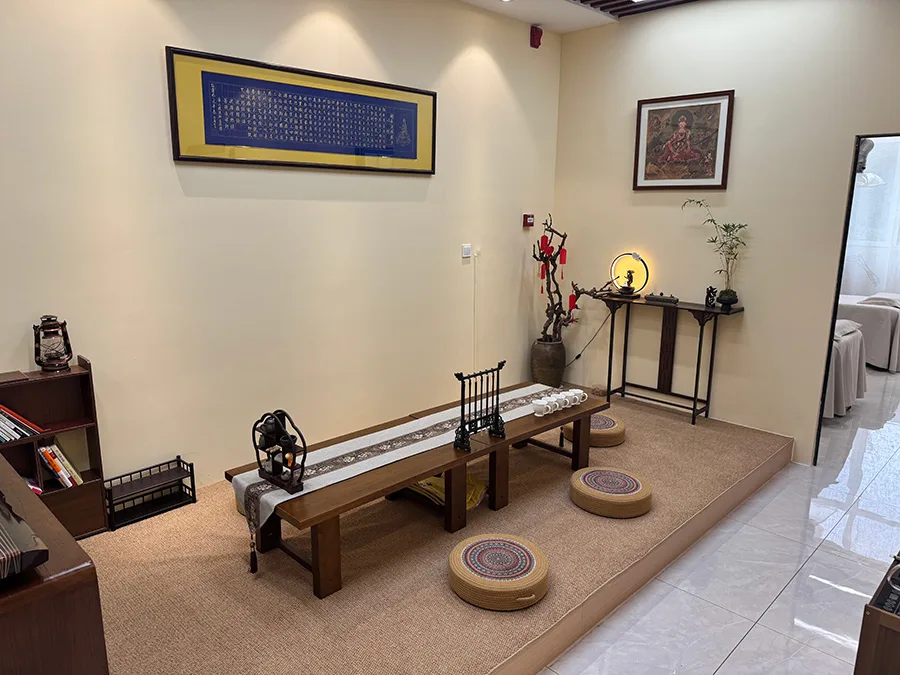
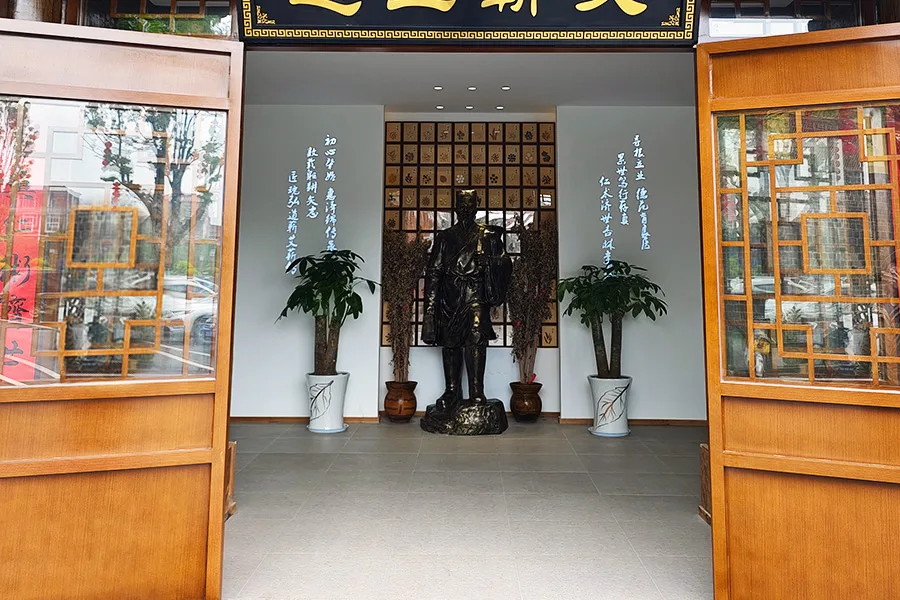 Inside a Premium Moxibustion Studio: A Two-Story Wellness Space Designed for Comfort and Tradition
Share This Article, Choose Your Platform!
Related News
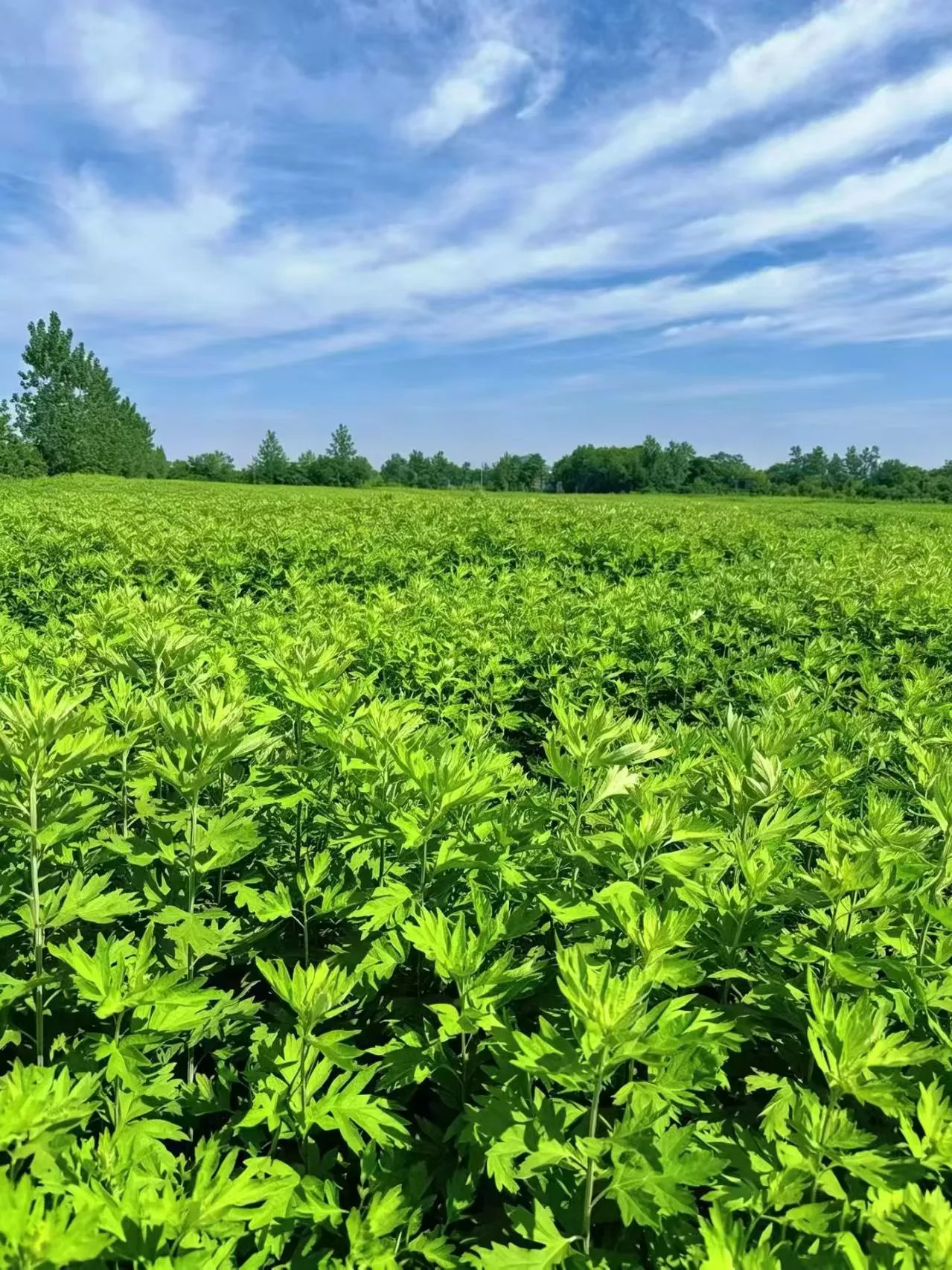
Qi Ai (蕲艾) — mugwort cultivated in Qichun County, Hubei Province, China — is not merely another variety of Artemisia argyi. It is the only moxa variety explicitly named and endorsed in classical Chinese pharmacopoeia, and its superiority is now validated by an extensive body of modern laboratory research. Across 10 peer-reviewed studies published in Chinese medical journals indexed [...]
As more people seek natural approaches to relaxation and self-care, the moxibustion studio has emerged as a distinct wellness destination. Today, we take you inside a thoughtfully designed traditional moxibustion center — a two-story independent space that blends modern aesthetics with the warmth of time-honored practice. Whether you are planning your own moxibustion studio layout [...]
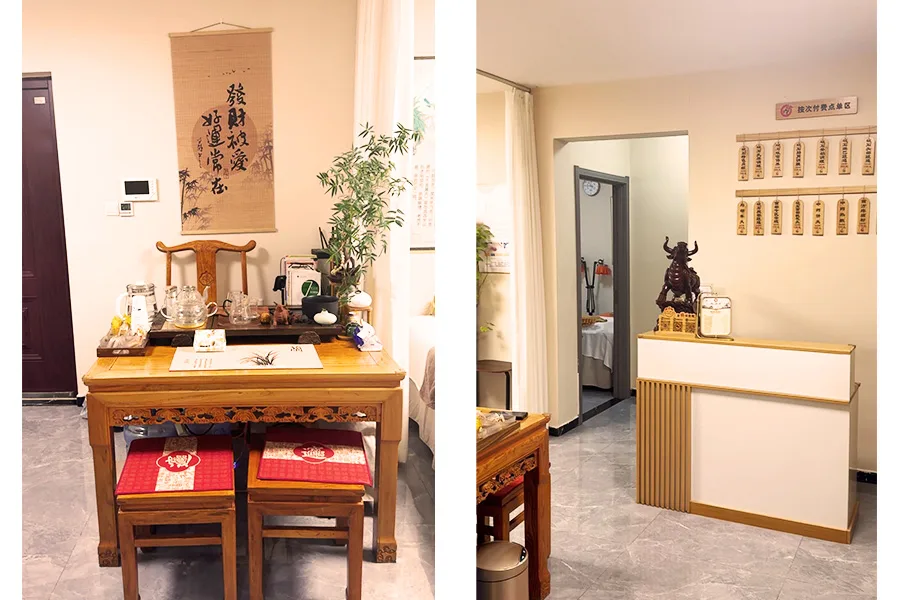
How to Start a Profitable Moxibustion Studio with Low Investment(Part 3) Introduction: Your Dream of Owning a Moxibustion Studio Is Closer Than You Think Opening a moxibustion studio may sound like a major undertaking — expensive equipment, large commercial space, a full team of staff. But here's the reality: with today's turnkey solutions, you can [...]
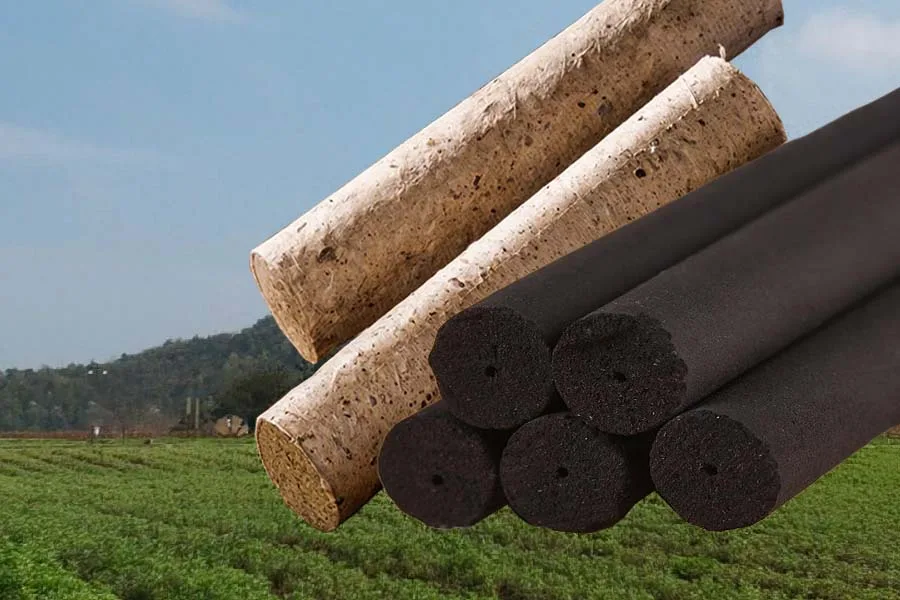
Many people may not fully understand the differences between smokeless moxa sticks and traditional moxa sticks. Today, we'll explain the differences from three aspects: manufacturing process, smoke production, and moxibustion performance. Before that, let's first define what smokeless moxa sticks and traditional moxa sticks are. Smokeless Moxa Sticks Smokeless moxa sticks are made by carbonizing [...]

How to Start a Profitable Moxibustion Studio with Low Investment(Part 2) As interest in wellness and preventive healthcare continues to grow, more people are exploring natural health practices rooted in Traditional Chinese Medicine (TCM). Among them, moxibustion has gained increasing popularity due to its long history, ease of use, and wide range of wellness [...]
As more people focus on wellness and preventive healthcare, moxibustion has gained increasing attention around the world. As a traditional therapy in Traditional Chinese Medicine (TCM), moxibustion is valued for its warming properties, ease of operation, and wide range of applications. For entrepreneurs looking to enter the wellness industry, opening a small Moxibustion Studio can be [...]